
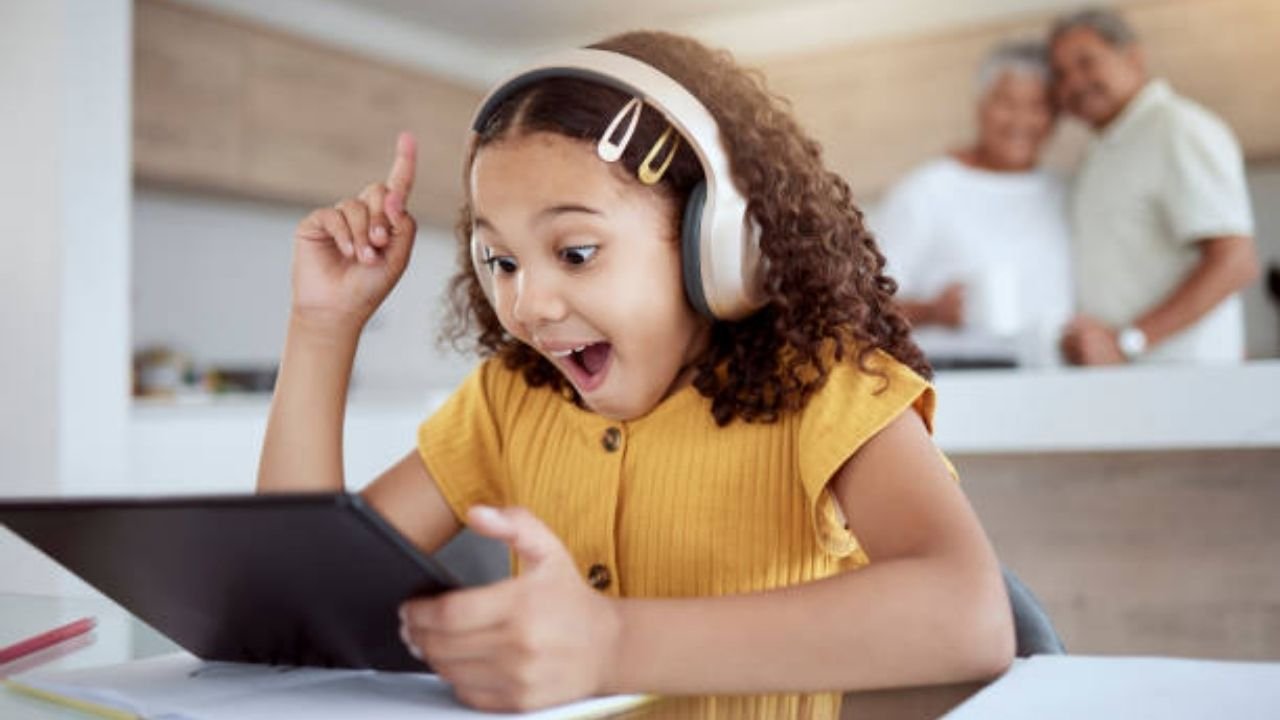
Listening is more than just hearing sounds—it involves attention, understanding, memory, and brain processing. Research labs study listening behavior in both children and adults to understand how people perceive and interpret sounds in different situations. These studies assist enhance listening to assessments, training strategies, and treatment for hearing and communication disorders.
Why Listening Behavior Is Studied
People of various a while pay attention in special methods. Children are nevertheless growing language and interest skills, even as adults rely upon experience and cognitive techniques. Researchers look at listening conduct to become aware of how these capabilities exchange through the years, how the mind adapts to sound, and why a few individuals struggle in noisy or complicated environments.
Understanding listening behavior is especially critical for detecting early listening to issues in kids and age-associated listening difficulties in adults.
Behavioral Listening Tests
One of the maximum common methods utilized in studies labs is behavioral testing. Participants pay attention to sounds, phrases, or sentences and reply by means of repeating what they pay attention or deciding on answers on a display screen. These tests may consist of history noise to simulate real-existence listening conditions.
For children, checks are regularly turned into games, using images or toys to maintain them engaged. Adults generally complete greater complicated obligations that examine listening attempt and comprehension. Researchers degree accuracy, response time, and listening fatigue to understand overall performance differences.
Speech-in-Noise Experiments
Speech-in-noise testing is a key area of listening research. Participants are asked to understand speech while competing sounds play in the background. Researchers adjust noise levels to determine how well someone can focus on a target speaker.
These experiments reveal how attention, age, and hearing ability affect communication in everyday environments such as classrooms, offices, or social gatherings.
Eye-Tracking and Reaction Time Measures
Some research labs use eye-monitoring technology to take a look at in which and how lengthy individuals take a look at visible cues at the same time as listening. This allows researchers recognize attention and listening techniques.
Reaction time measurements additionally show how quickly the mind processes sound. Slower responses can also imply multiplied listening effort or trouble know-how speech.
Brain-Based Listening Research
Advanced labs use brain-recording techniques which includes EEG to degree neural responses to sound. These checks show how the mind reacts to speech, rhythm, and noise with out requiring lively responses.
Brain-based totally research are especially useful for younger children and folks who can not without problems communicate their listening enjoy.
Comparing Children and Adults
By analyzing each children and adults, researchers find out how listening capabilities increase, mature, and alternate with age. These comparisons help pick out usual development patterns and detect listening disorders early
Conclusion
Research labs study listening conduct the use of behavioral tests, speech-in-noise experiments, eye-tracking, and mind-based totally methods. By evaluating children and adults, scientists gain precious perception into how listening capabilities broaden and alternate throughout the lifespan. This research helps higher prognosis, education, and treatment techniques, helping people of all ages communicate more effectively in everyday life.
