
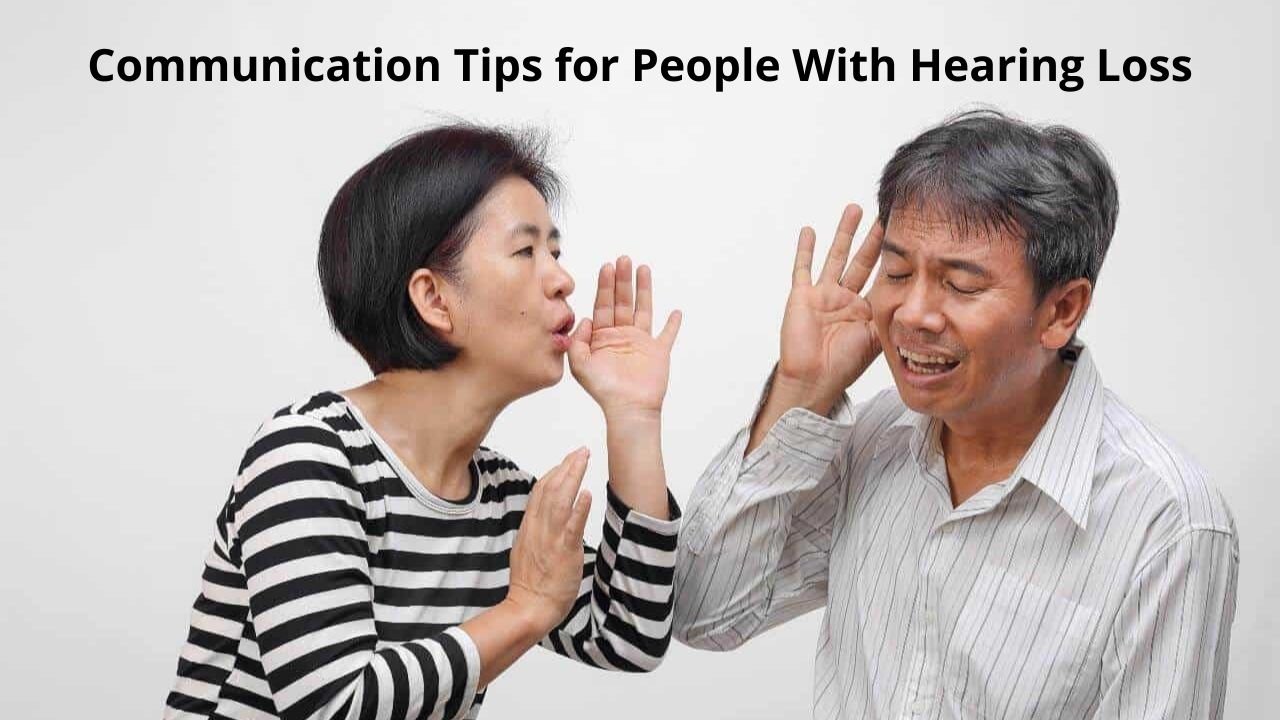
Hearing loss can affect every day conversations, relationships, and self assurance, but effective communique is still very viable with the right techniques. Whether hearing loss is moderate or intense, learning a way to communicate truely helps reduce frustration and improves social connections. By combining practical habits, assistive gear, and self-advocacy, people with hearing loss can live engaged and understood in everyday life.
Be Open About Your Hearing Needs
One of the most vital verbal exchange suggestions is to allow others recognize approximately your hearing loss. Many misunderstandings arise clearly due to the fact people are unaware. Politely explaining what helps—together with facing you even as speaking or speakme honestly instead of loudly—could make conversations simpler for all people. Being open additionally reduces pressure and stops others from assuming you’re distracted or bored to death.
Choose the Right Listening Environment
Background noise makes communication harder for people with listening to loss. Whenever possible, pick quiet places for conversations. In social settings, sit away from noisy regions like kitchens, speakers, or site visitors. Good lighting fixtures is also important, as it lets in you to peer facial expressions and lip movements. Position yourself to stand the speaker directly and keep away from conversations from any other room.
Use Visual Cues and Body Language
Visual records performs a primary position in knowledge speech. Facial expressions, lip moves, and gestures offer treasured clues. Maintaining eye contact helps you stay focused and improves comprehension. Do now not hesitate to invite someone to repeat or rephrase what they said. Asking for rationalization is extra effective than pretending to understand.
Improve Communication in Group Settings
Group conversations may be specially difficult. Let others understand that speakme one after the other enables. Position your self wherein you could see all people’s faces, together with sitting in a circle. If you miss part of the verbal exchange, ask someone close by to summarize key factors. In meetings or classes, request written notes or agendas earlier to assist observe alongside.
Make Use of Hearing Technology
Hearing aids, cochlear implants, and assistive listening devices can extensively improve conversation. Modern devices frequently encompass features that reduce heritage noise and connect with phones or televisions. Captioning apps, speech-to-text tools, and video calls with captions are also treasured communique aids, in particular in noisy environments.
Practice Assertive Communication
Assertive verbal exchange way in reality expressing your desires with out feeling embarrassed or apologetic. Simple phrases like, “Could you please speak a touch slower?” or “I hear higher once I can see your face” can make a big distinction. Remember, powerful conversation is a shared obligation—not a personal shortcoming.
Support Emotional Well-Being
Hearing loss can now and again cause isolation or frustration. Staying socially lively and looking for guide from friends, circle of relatives, or listening to loss communities facilitates keep confidence. Learning communication strategies empowers individuals and decreases the emotional impact of hearing challenges.
Conclusion
Living with hearing loss does no longer mean giving up on meaningful communication. By being open approximately your needs, deciding on supportive environments, the usage of visible cues, embracing era, and practicing assertive communication, each day conversations can turn out to be more comfortable and fun. With the right strategies and assist, people with hearing loss can live related, confident, and absolutely engaged of their personal and social lives.
