
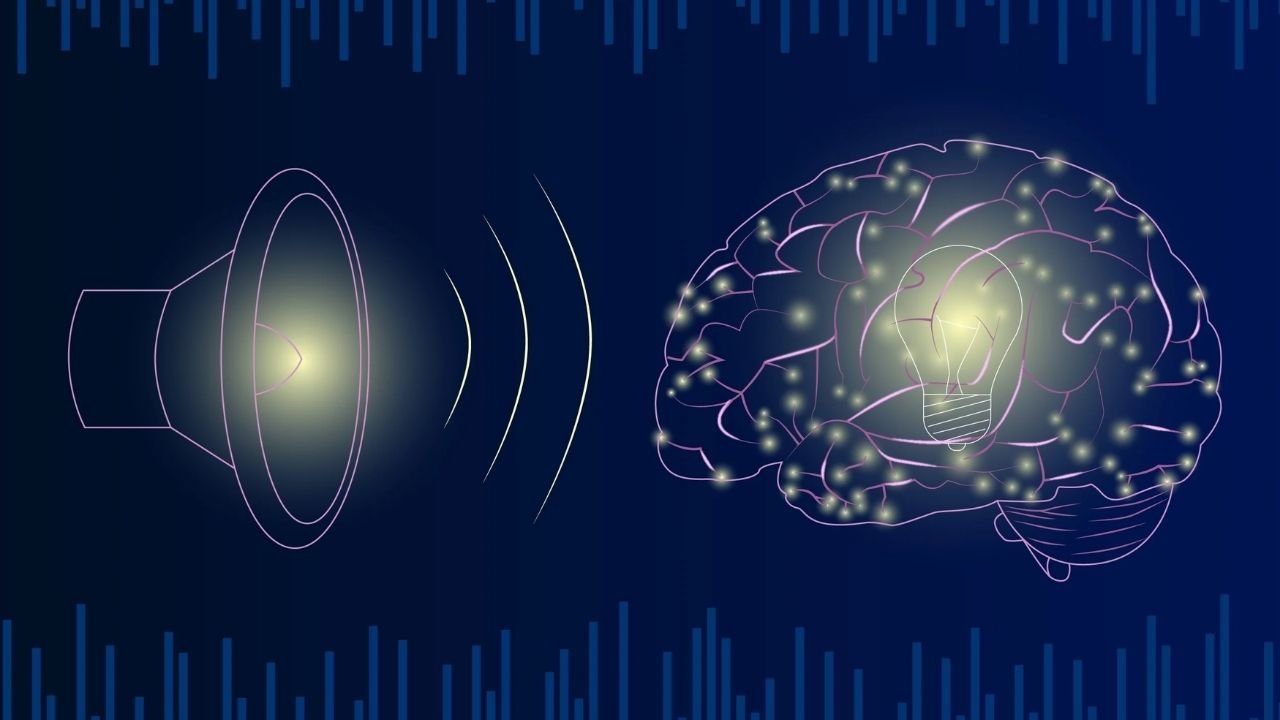
Hearing and understanding speech are regularly used interchangeably, but they may be no longer the same technique. Many human beings expect that if they could hear sounds, they need to mechanically be capable of apprehend what is being stated. In fact, hearing is only the first step. Understanding speech calls for the mind to interpret and make feel of the sounds the ears come across. Recognizing the distinction among hearing and understanding speech is essential for figuring out communication problems and addressing them successfully.
What Does It Mean to Hear?
Hearing is a sensory technique. It begins while sound waves input the ear and are converted into electric alerts that tour to the brain. The outer ear collects sound, the middle ear amplifies it, and the inner ear converts vibrations into neural alerts. These indicators are then despatched alongside the auditory nerve.
When a person says they can “hear,” it normally means they could locate the presence of sound—voices, song, or background noise. Standard hearing checks regularly degree this capability by way of figuring out the softest sounds someone can locate at specific pitches. If these tests are regular, someone is considered to have normal hearing to sensitivity.
What Does It Mean to Understand Speech?
Understanding speech is a miles greater complicated manner. After the ears discover sound, the mind need to examine, arrange, and interpret it. This includes spotting speech sounds, figuring out words, understanding grammar, and assigning which means—all within fractions of a second.
Speech understanding is based heavily on mind functions consisting of interest, reminiscence, and language processing. Context also plays a main role. The mind uses preceding expertise and expectancies to fill in gaps, specifically while speech is unclear or partially masked by noise.
Why Someone Can Hear but Not Understand
It is possible to hear sounds clearly but still struggle to understand speech. This situation is commonplace amongst older adults and those with sure auditory processing problems. For example, someone may pay attention that someone is speakme however discover the phrases sound muffled or jumbled.
One motive for that is damage to the internal ear hair cells that are responsible for first-rate sound details. Another purpose can be changes in the mind’s capacity to system timing and speech patterns. Background noise makes this problem worse because the brain has problem setting apart speech from different sounds.
The Role of the Brain in Speech Understanding
The mind performs a central role in remodeling sound into meaning. Specialized regions of the brain analyze pitch, rhythm, and timing to differentiate speech from noise. Language facilities then decode these sounds into phrases and sentences.
As humans age, or if they have neurological conditions, these mind strategies can turn out to be less green. Even with everyday hearing sensitivity, slower processing or reduced attention can intervene with speech understanding, in particular in speedy conversations or noisy environments.
Real-Life Impact of the Difference
The difference bertween hearing and understanding speech can affect everyday existence in extensive methods. People may feel annoyed whilst they are able to pay attention others speaking but can not follow the verbal exchange. This can lead to misunderstandings, repeated requests for rationalization, and social withdrawal.
In places of work and social settings, difficulty understanding speech may be wrong for lack of interest or reminiscence problems. Over time, communication challenges can affect self assurance, relationships, and emotional well-being.
Improving Speech Understanding
Addressing speech understanding difficulties often calls for more than virtually making sounds louder. Hearing aids, as an example, not handiest extend sound but additionally improve clarity and decrease historical past noise. Auditory education, communique strategies, and environmental changes—inclusive of reducing noise or improving lighting fixtures for lip-studying—can also assist.
Conclusion
Hearing and understanding speech are associated however wonderful strategies. Hearing allows us to stumble on sounds, while understanding speech calls for the brain to interpret and provide which means to the ones sounds. A individual can listen nicely but still conflict to understand conversations, in particular in difficult hearing environments. By information this distinction, individuals and specialists can better become aware of conversation demanding situations and take powerful steps closer to clearer, extra confident conversation.
