
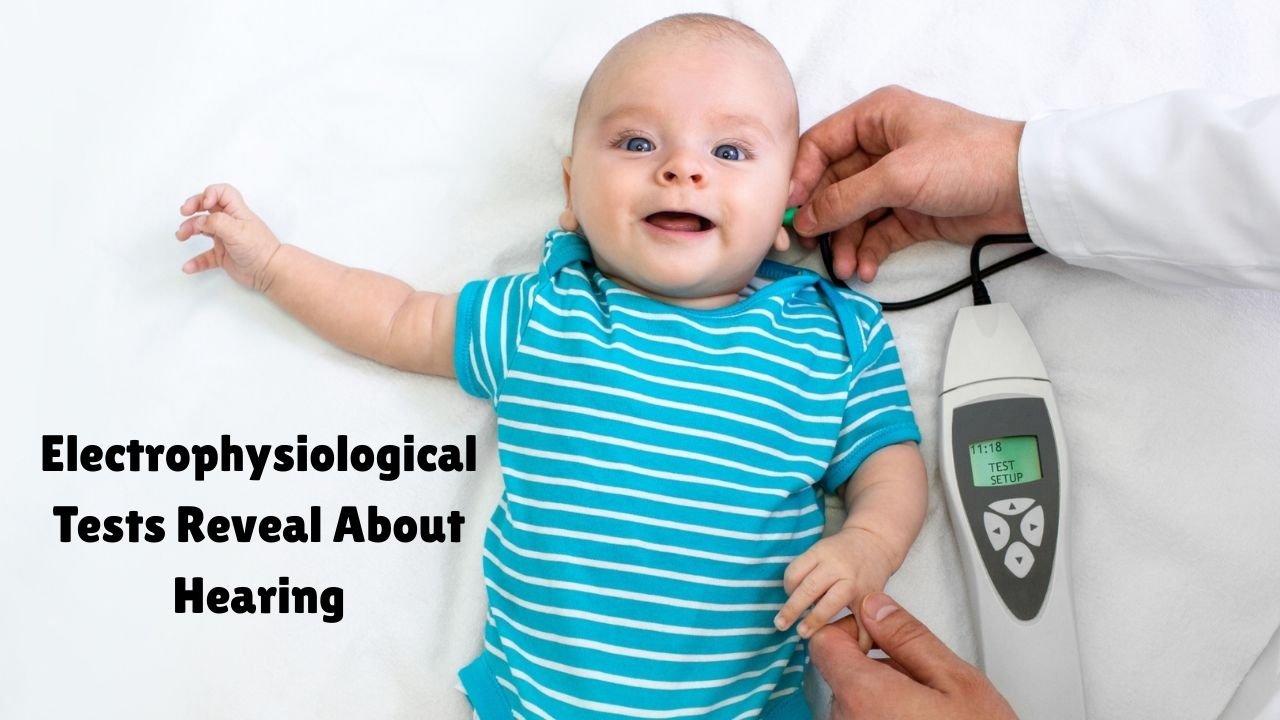
Hearing isn’t always just about the ears—it also depends on how the brain tactics sound. While conventional listening to tests measure how properly a person responds to sounds they could consciously listen, electrophysiological tests go deeper. These tests document the electric activity of the auditory system, imparting valuable insights into how sound travels from the ear to the mind. Researchers and clinicians extensively use electrophysiological tests to diagnose hearing disorders, assess brain function, and apprehend complex auditory processing.
Understanding Electrophysiological Hearing Tests
Electrophysiological exams measure the nervous system’s response to sound using small electrodes positioned at the scalp or near the ears. These electrodes discover tiny electric signals generated by means of the auditory nerve and mind whilst sound is provided. Because the checks do not require lively responses from the affected person, they’re particularly useful for infants, young children, and folks who can not participate in wellknown hearing tests.
Key Types of Electrophysiological Tests
Several electrophysiological tests are used to evaluate exceptional elements of the auditory pathway, each supplying precise facts approximately hearing health.
Auditory Brainstem Response (ABR)
The ABR check measures how sound indicators journey from the inner ear to the brainstem. Short clicking or tone sounds are offered via earphones, and the resulting brainwave pastime is recorded. ABR is generally used to stumble on hearing loss, nerve damage, or brainstem abnormalities and is a popular screening system for new child listening to tests.
Auditory Steady-State Response (ASSR)
ASSR evaluates hearing sensitivity via offering non-stop tones at distinct frequencies. This test helps estimate hearing thresholds and is especially useful for figuring out the diploma of hearing loss in those who can’t offer behavioral comments.
Electrocochleography (ECochG)
This test specializes in electric activity in the cochlea and auditory nerve. ECochG is regularly used to diagnose internal ear situations which includes Ménière’s ailment via detecting peculiar fluid strain in the inner ear.
Cortical Auditory Evoked Potentials (CAEPs)
CAEPs level sound processing within the auditory cortex, the a part of the mind accountable for decoding sound. These responses offer insight into how the brain acknowledges and knows speech, making them treasured for assessing auditory processing disorders.
What These Tests Reveal About Hearing
Electrophysiological tests provide precise facts past what trendy hearing checks can display. They can perceive in which along the auditory pathway a trouble happens—whether or not within the inner ear, auditory nerve, brainstem, or cortex. This precision helps clinicians determine the underlying motive of listening to difficulties.
These tests also monitor how effectively the mind responds to sound. Delays or abnormalities in electric responses may additionally suggest nerve damage, developmental troubles, or neurological conditions. In children, electrophysiological trying out can find listening to troubles early, assisting well timed intervention and language development.
Role in Hearing Aid and Cochlear Implant Evaluation
Electrophysiological tests play an critical function in fitting and comparing hearing devices. They help audiologists test whether hearing aids or cochlear implants are handing over sound effectively to the brain. Objective measurements make sure that gadgets are well programmed, even for patients who can not describe what they hear.
Advantages of Electrophysiological Testing
One major benefit of these tests is objectivity. Because they do not rely on patient responses, results are less influenced by attention, motivation, or understanding of instructions. This makes them highly reliable for difficult-to-test populations.
Additionally, electrophysiological tests can come across hidden hearing troubles, which include auditory neuropathy, in which sound enters the ear but is not transmitted properly to the brain.
Limitations to Consider
Although effective, electrophysiological tests do not update behavioral hearing tests completely. They provide information about neural responses but do no longer continually reflect how a person studies sound in normal conditions. Therefore, clinicians often integrate electrophysiological results with conventional hearing tests for a complete evaluation.
Conclusion
Electrophysiological tests screen essential information about how sound is processed all through the auditory device, from the ear to the brain. By measuring electrical responses, those checks help diagnose hearing loss, identify neural disorders, guide hearing device fitting, and support early intervention. When used alongside conventional hearing checks, electrophysiological testing out gives a comprehensive and correct know-how of hearing health, allowing better remedy and advanced satisfactory of existence for people with hearing challenges.
