
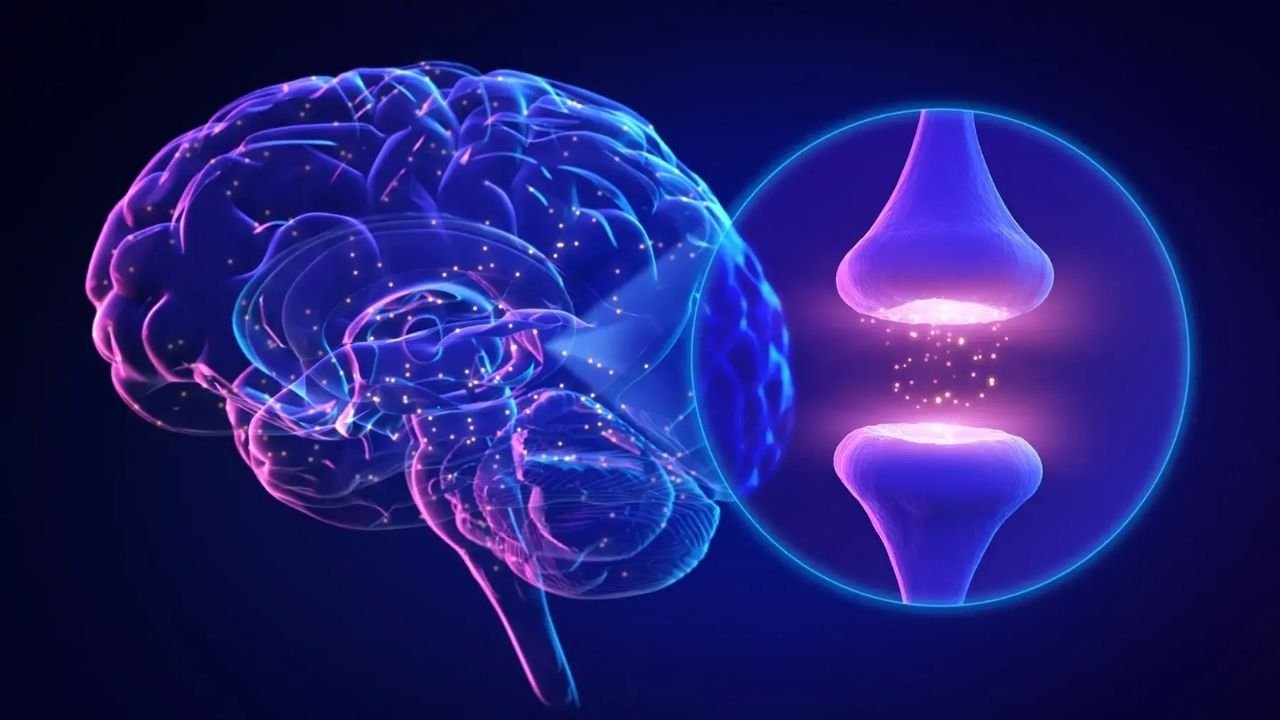
Hearing loss affects millions of people worldwide and can substantially effect exceptional of life, conversation, social engagement, and typical well-being. Fortunately, advances in research and generation are hastily transforming the landscape of listening to care. From breakthroughs in diagnostics to next-generation assistive devices, the destiny of listening to research guarantees solutions which can be extra specific, personalized, and life-changing than ever before.
1. Early Detection Through Smart Diagnostics
One of the most vital future tendencies is the pass towards early detection and intervention. Traditional listening to evaluations normally arise after signs arise, however emerging technology aim to stumble on subtle modifications in auditory function a good deal earlier.
Wearable and cellular diagnostic gear — consisting of smartphone-based hearing tests and smart earbuds geared up with real-time auditory tracking — will make hearing screening greater accessible and common. Artificial intelligence (AI) algorithms will analyze patterns through the years, alerting users or healthcare carriers to early signs of hearing to decline even earlier than substantive symptoms seem.
Early detection will increase the chances of effective remedy and enables lessen the social and cognitive outcomes regularly related to untreated listening to loss.
2. Personalized and Adaptive Hearing Devices
Hearing aids and cochlear implants have already revolutionized care, but the next generation of devices might be smarter, smaller, and more adaptive.
AI-driven hearing aids might be able to research person preferences based totally on environments, conversations, and individual listening patterns. These devices will automatically adjust amplification and noise suppression in real time, reducing the want for guide adjustments.
Additionally, brain-pc interface (BCI) generation is below lively studies. BCIs can doubtlessly interpret neural indicators without delay from the auditory cortex, providing new avenues for people with severe or complex hearing impairments who do not gain absolutely from conventional hearing aids or implants.
3. Gene and Molecular Therapy
Exciting development in genetic studies shows that a few sorts of hearing loss — specifically the ones as a result of hereditary issues — might be treated at the molecular degree.
Scientists are exploring gene remedy strategies that goal to restore or replace defective genes accountable for sensorineural hearing loss. Early animal studies have proven promising effects in restoring hair mobile function, that’s important for sound perception.
Similarly, molecular and pharmaceutical treatments are being advanced to guard inner ear systems from harm due to getting old, noise exposure, or ototoxic medicinal drugs. These treatments ought to one day slow down or opposite certain varieties of listening to loss.
4. Enhanced Connectivity and Integration
The future of listening to era also lies in seamless integration with normal gadgets. Hearing aids and implants are becoming part of the larger Internet of Things (IoT) environment.
Wearables will join effortlessly to smartphones, TVs, virtual assistants, and different smart gadgets to create a more immersive and customized auditory enjoy. For example, actual-time language translation, contextual sound enhancement, and synchronized streaming could be incorporated into listening to structures, increasing both software and best of lifestyles.
5. Focus on Cognitive Health and Holistic Care
Research increasingly shows links between hearing loss and broader cognitive health issues, which includes dementia and social isolation. Future procedures will emphasize holistic care — now not most effective improving hearing thresholds but additionally helping cognitive function, emotional well-being, and social engagement.
Advanced auditory education programs using virtual reality (VR) and augmented reality (AR) will assist people improve speech processing and listening skills in complex environments. Rehabilitation may be tailor-made to person life, no longer just pure-tone audiograms.
Conclusion
The future of hearing research and technology is bright and multidimensional. Early detection gear powered by AI, personalised adaptive gadgets, breakthroughs in gene remedy, seamless connectivity, and holistic care fashions will redefine what it method to deal with listening to loss. These improvements will not most effective enhance sound belief but additionally aid typical health, independence, and quality of life for millions. As studies maintains to accelerate, the aim is obvious: to convert hearing care from reactive interventions into proactive, customized, and existence-enriching help for all people throughout the lifespan.
