
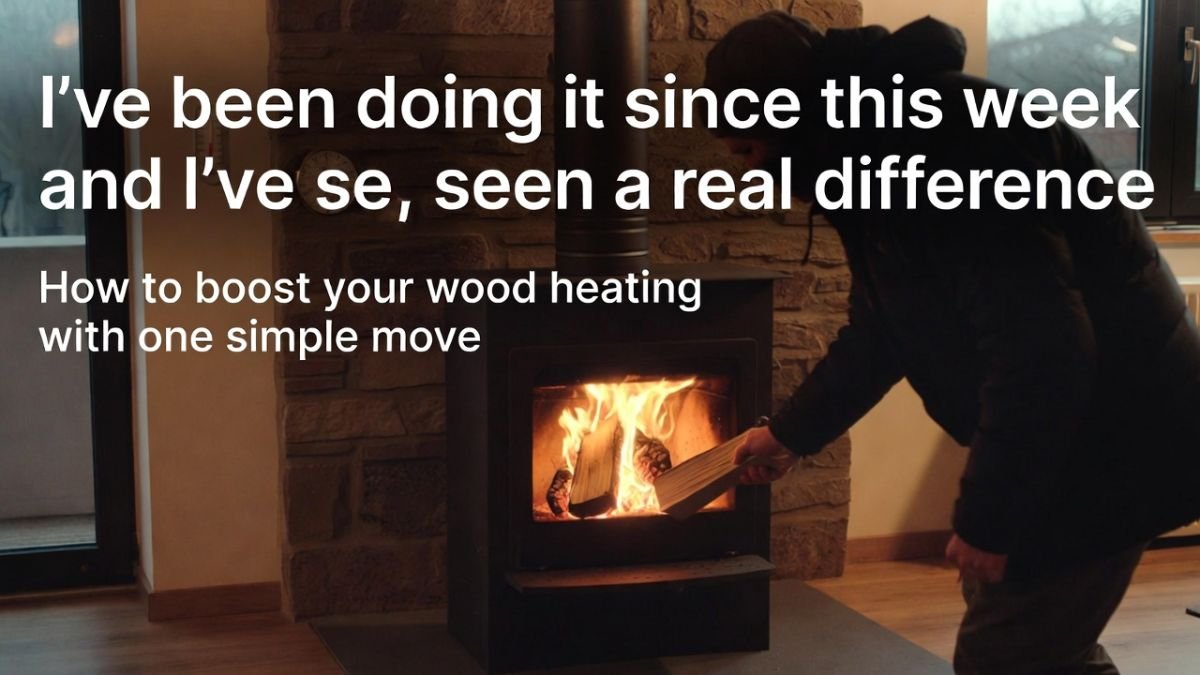
As energy costs continue to rise and concerns about sustainability grow, wood heating remains a trusted solution for many households. Wood stoves, fireplaces, and wood burners offer a sense of comfort that goes beyond warmth. They provide independence from fluctuating energy prices and create a cozy atmosphere that modern heating systems often lack. Yet many homeowners unknowingly use their wood heating inefficiently, missing out on warmth and wasting valuable fuel. That is why a single, simple adjustment can feel almost life-changing, especially when the results are noticeable within days.
The Simple Change That Makes a Big Difference
“I’ve been doing it since this week and I’ve seen a real difference.” This phrase is becoming more common among people who heat their homes with wood. The change they are referring to is not expensive, technical, or complicated. It is about improving airflow and heat circulation by adjusting how air moves around the wood stove or fireplace. By focusing on how warm air is distributed rather than how much wood is burned, homeowners are discovering that they can heat rooms more evenly and efficiently with less effort.
Understanding How Wood Heating Really Works
To appreciate why this one move works so well, it helps to understand how wood heating functions. When wood burns, it produces heat that rises quickly toward the ceiling. If that heat stays trapped near the top of the room, the lower living space remains cooler, forcing people to burn more wood to feel comfortable. Many assume the solution is adding more fuel, but in reality, the issue is not heat production. It is heat distribution.
The Role of Airflow in Heat Efficiency
Airflow is the key factor that determines how effective your wood heating system is. Without proper circulation, hot air gathers above head level while cooler air settles near the floor. This imbalance leads to uneven temperatures and wasted energy. The one move making such a difference involves gently pushing warm air downward and across the room so it can be felt where people actually live and move.
The One Move Homeowners Are Swearing By
The adjustment is surprisingly simple: using a ceiling fan on a low setting, running clockwise, to redistribute warm air. Many people think ceiling fans are only useful in summer, but when used correctly in winter, they can significantly boost wood heating performance. By slowly pulling warm air down from the ceiling and pushing cooler air upward toward the stove, the entire room warms more evenly without increasing fuel use.
Why This Works So Quickly
One of the most impressive aspects of this method is how fast the results appear. Homeowners often notice a difference within hours or days. Rooms feel warmer at floor level, cold spots disappear, and the overall comfort of the home improves. Because the stove no longer has to work as hard to maintain warmth, wood consumption often decreases, saving both time and money.
Changing Habits Without Changing Equipment
What makes this approach especially appealing is that it does not require buying a new stove or upgrading expensive equipment. It works with existing setups, whether you use a traditional fireplace, a wood-burning stove, or a modern wood insert. The improvement comes from changing how you manage heat rather than how much heat you produce.
Real-Life Experiences From Homeowners
Many homeowners describe the change as subtle but powerful. At first, they may not even realize why the room feels warmer. Over time, the difference becomes undeniable. Floors feel less cold in the morning, and the heat lasts longer after the fire dies down. Some even find that they can let the fire burn lower overnight without waking up to a chilly house.
Saving Wood Without Sacrificing Comfort
One of the biggest benefits of boosting wood heating through better circulation is reduced wood usage. When heat is distributed properly, every log burns more effectively. This means fewer trips outside to fetch firewood and less strain on storage supplies. Over the course of a winter, these small savings add up, making wood heating more economical and sustainable.
Environmental Benefits of Improved Heat Distribution
Using less wood also has environmental advantages. Efficient burning reduces emissions and lowers the demand for firewood. This not only benefits air quality but also helps preserve natural resources. For homeowners who choose wood heating as an eco-friendly option, improving efficiency aligns perfectly with their values.
Why Many People Overlook This Simple Solution
Despite its effectiveness, this one move is often overlooked. Many people associate ceiling fans with cooling and never consider adjusting their settings in winter. Others assume that boosting heating efficiency requires professional installation or costly upgrades. As a result, a simple adjustment remains hidden in plain sight.
Small Changes That Support the Main Move
Once homeowners experience the benefits of improved airflow, they often become more aware of other small habits that support better heating. Keeping doors open to allow heat to travel, avoiding furniture placement that blocks airflow, and maintaining a steady burn rather than frequent restarts can all enhance the effect. These habits work together to create a warmer, more comfortable home.
The Psychological Impact of Feeling Warm
Warmth is not just physical; it is psychological. A room that feels evenly heated creates a sense of comfort and relaxation. When cold drafts and uneven temperatures disappear, people feel more at ease in their homes. This emotional benefit is one reason why people are quick to share their experience, saying they have seen a real difference in just one week.
Adapting the Method to Different Homes
Every home is unique, and the impact of this one move can vary depending on layout and ceiling height. However, the principle remains the same. Even in smaller spaces or rooms without ceiling fans, gentle air circulation using other methods can improve heat distribution. The key idea is to help warm air reach the living zone rather than letting it remain trapped above.
A Cost-Free Experiment Worth Trying
One of the most appealing aspects of this approach is that it costs nothing to try. Adjusting a fan setting or airflow direction requires no investment and no risk. If the results are positive, the benefits continue throughout the heating season. If not, nothing is lost. This low-risk, high-reward nature is why so many people recommend it.
Winter Comfort Without Extra Effort
Boosting wood heating does not have to involve constant monitoring or complex routines. Once the airflow adjustment is made, it becomes part of the background of daily life. The stove operates as usual, but the warmth feels noticeably better. This simplicity is what makes the change sustainable over time.
Rethinking How We Measure Heating Success
Many people measure heating success by how hot the stove feels or how big the fire looks. In reality, success is measured by comfort, efficiency, and consistency. When rooms feel warm without excessive fuel use, the heating system is doing its job well. This shift in perspective helps homeowners appreciate the value of small changes.
Why This Tip Is Spreading So Quickly
The reason this one move is gaining attention is simple: it works. People are experiencing real improvements without major effort, and they are eager to share that success. Word-of-mouth remains powerful, especially when it comes to home comfort solutions that deliver immediate results.
Making Wood Heating More Enjoyable
Wood heating should be a pleasure, not a constant chore. When efficiency improves, the entire experience becomes more enjoyable. Fires are easier to manage, warmth is more consistent, and the home feels inviting even on the coldest days.
Final Thoughts on Boosting Wood Heating With One Move
“I’ve been doing it since this week and I’ve seen a real difference” is not an exaggeration. Boosting wood heating through better airflow is a simple yet highly effective adjustment that can transform winter comfort. By focusing on how heat moves rather than how much wood is burned, homeowners can enjoy warmer rooms, lower fuel use, and a more sustainable heating routine. Sometimes, the most powerful improvements come not from big changes, but from one small move made at the right time.
FAQs
Q1. What is the “one move” that boosts wood heating efficiency?
It usually involves improving airflow and heat circulation, allowing wood to burn more evenly and produce more usable warmth.
Q2. How quickly can you notice a difference after making this change?
Many users report feeling a noticeable improvement in heat output within just a few days of applying the method.
Q3. Does this method help save money on heating costs?
Yes, better efficiency means less wood is needed, which can lower fuel consumption and overall heating expenses.
