
As people get older, changes occur all through the body, and the hearing system is no exception. Auditory getting old refers back to the gradual decline in hearing ability and sound processing that occurs as part of the natural aging process. While it is commonplace, auditory ageing affects people in a different way and might impact conversation, social interaction, and usual best of life. Understanding what auditory ageing is and why it happens can assist people understand early symptoms and take steps to defend their hearing health.
Understanding Auditory Aging
Auditory ageing is not limited to really hearing sounds greater quietly. It entails chnages in both the ears and the brain. Many older adults record that they could hear sounds but warfare to recognize speech, specifically in noisy environments. This issue reflects changes in how sound is processed, not just how loudly it’s far perceived.
The most commonplace form of age-related hearing to trade is known as presbycusis. It usually develops progressively over time and frequently influences each ears equally. High-frequency sounds, along with consonants in speech, are typically the first to become tougher to listen. This is why speech may additionally sound doubtful or muffled, even if volume seems good enough.
Changes in the Ear
One essential motive auditory aging occurs is physical trade in the inner ear. The cochlea carries hundreds of tiny hair cells that convert sound vibrations into electrical signals for the brain. These hair cells do not regenerate, and over the years they can become damaged or lost because of ageing, noise publicity, or decreased blood supply.
The auditory nerve, which consists of sound signals from the ear to the mind, may additionally lose performance with age. When those indicators become weaker or less precise, the mind gets incomplete information, making sound interpretation extra tough.
Changes in the Brain
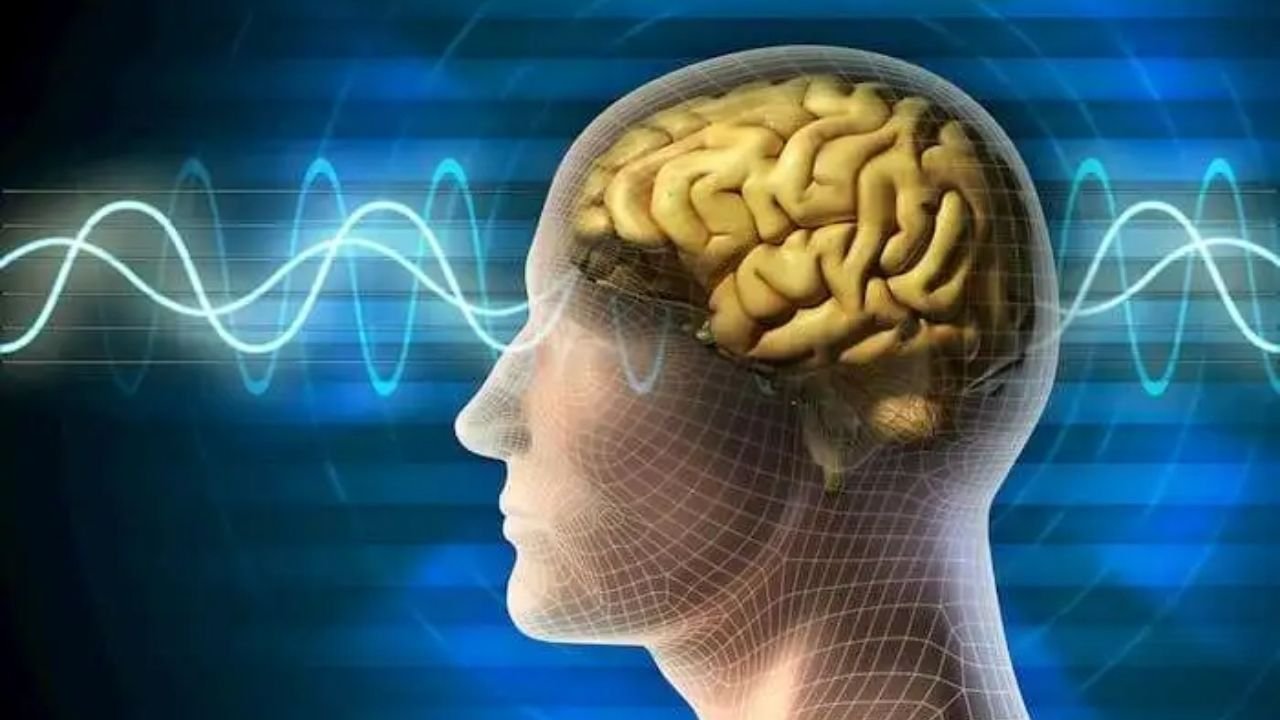
Auditory getting older additionally entails the brain’s ability to process sound. Even if the ears detect sound well, the brain can also conflict to organize and interpret what is heard. Aging can affect regions of the brain liable for timing, interest, and sound localization.
Older adults often experience trouble separating speech from heritage noise. This is partially because age-related changes inside the mind lessen the potential to filter and focus on crucial sounds. As a result, busy listening environments end up especially tough.
The Role of Noise and Lifestyle Factors
Although auditory getting old is a natural process, lifetime publicity to loud noise can boost up it. Years of walking in noisy environments, paying attention to loud track, or experiencing repeated loud activities can harm taking note of systems and worsen age-related decline.
Other fitness factors additionally play a role. Conditions which include diabetes, excessive blood strain, and cardiovascular disorder can lessen blood float to the inner ear and mind, contributing to auditory growing old. Smoking and terrible standard health may further growth the hazard.
Emotional and Social Effects
Auditory ageing can have a enormous emotional and social effect. Difficulty listening to and understanding speech may cause frustration, embarrassment, or withdrawal from social activities. Over time, decreased communication can contribute to loneliness, tension, and despair.
There is likewise growing evidence linking untreated age-related hearing changes to cognitive decline. When the mind must work harder to understand sound, fewer intellectual sources may be to be had for memory and wondering responsibilities.
Managing Auditory Aging
While auditory growing older cannot be completely averted, its results may be managed. Regular listening to checkups assist pick out chnages early. Hearing aids and assistive listening devices can improve sound readability and decrease listening attempt. Protecting ears from loud noise and preserving appropriate standard health can also sluggish the progression of hearing decline.
Conclusion
Auditory aging is a natural process involving changes in both the ears and the brain. It happens because of the slow lack of inner ear cells, reduced nerve efficiency, and changes in sound processing in the mind, frequently stimulated by means of noise exposure and health factors. Although commonplace, auditory ageing does not have to cause isolation or decreased satisfactory of life. With focus, early intervention, and proper listening to assist, older adults can hold to communicate efficaciously and stay engaged with the sector round them.
