
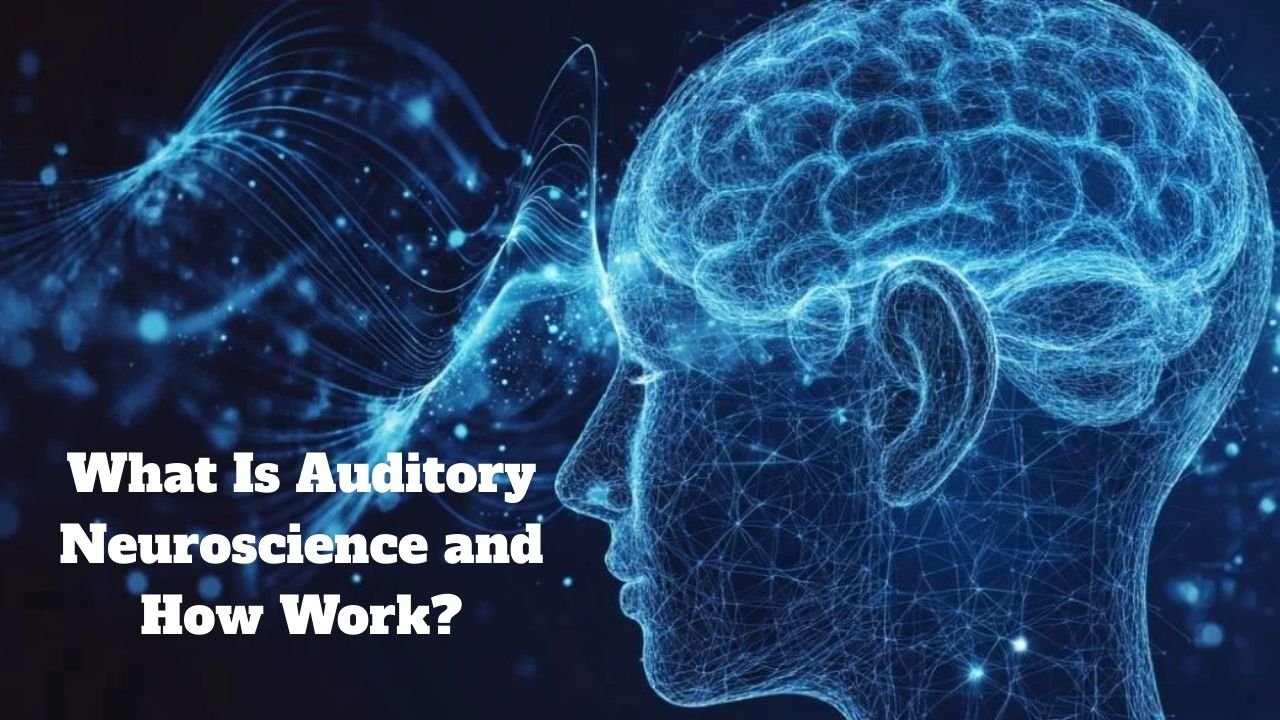
Auditory neuroscience is the branch of neuroscience that research how the mind processes sound. It specializes in information how sound waves from the environment are converted into meaningful alerts together with speech, music, and everyday noises. By exploring the connection among the ear and the brain, auditory neuroscience enables provide an explanation for how we hear, understand sounds, and speak with others.
This field plays a important function in enhancing remedies for listening to loss, tinnitus, auditory processing disorders, and in developing technology like listening to aids and cochlear implants.
What Is Auditory Neuroscience?
Auditory neuroscience examines the structure and function of the auditory system, which incorporates the ear, auditory nerve, brainstem, and auditory cortex within the thoughts. Researchers look at how sound records travels via the ones pathways and the way the mind translates distinct capabilities of sound together with pitch, loudness, rhythm, and area.
The field combines biology, psychology, physics, and medicine. Scientists use equipment like thoughts imaging, electrophysiology, and behavioral exams to understand how neurons reply to sound and the manner the thoughts adapts to changes, together with being attentive to loss or language mastering.
How Does Hearing Begin? Sound Waves and the Ear
Hearing starts offevolved whilst sound waves enter the ear and move through three important parts:
- Outer Ear – The seen a part of the ear collects sound waves and directs them into the ear canal toward the eardrum.
- Middle Ear – Sound waves cause the eardrum to vibrate. These vibrations are amplified by using three tiny bones referred to as the ossicles (hammer, anvil, and stirrup).
- Inner Ear – Vibrations attain the cochlea, a fluid-filled, spiral-fashioned organ.
Inside the cochlea are thousands of tiny sensory cells referred to as hair cells. These cells convert mechanical vibrations into electric indicators, a system known as sound transduction.
From the Ear to the Brain
Once sound is transformed into electrical signals, the information travels alongside the auditory nerve to the brainstem. From there, it passes via numerous processing facilities, every liable for refining extraordinary aspects of sound.
The indicators sooner or later attain the auditory cortex, placed within the temporal lobe of the brain. This is in which sound becomes significant. The mind identifies whether or not a valid is speech, track, or noise and determines its path, pitch, and emotional tone.
Auditory neuroscience has shown that the mind procedures extraordinary sound frequencies in an organized manner, referred to as tonotopic mapping, which enables us distinguish between high and low sounds.
How the Brain Understands Speech and Music
Understanding speech involves more than simply hearing sounds. The brain need to separate speech from heritage noise, understand patterns, and fit sounds to words and meanings. Music processing involves rhythm, melody, and emotion, attractive more than one brain regions beyond the auditory cortex.
The brain’s capacity to adapt, referred to as neuroplasticity, allows people to study new languages, alter to hearing aids, or get better a few auditory function after injury.
Why Auditory Neuroscience Matters
Auditory neuroscience facilitates explain why hearing issues affect verbal exchange, getting to know, and mental fitness. Research in this subject has brought about higher diagnosis of hearing problems, progressed cochlear implants, and early intervention techniques for children with listening to difficulties.
Conclusion
Auditory neuroscience explores how sound travels from the ear to the mind and will become meaningful facts. Hearing is a complicated procedure concerning particular coordination between the ear, auditory nerve, and brain. By information how listening to works, auditory neuroscience now not handiest deepens our expertise of human notion but additionally helps advances in healthcare, technology, and communique, enhancing the exceptional of life for humans with hearing demanding conditions.
